Diwali travelled further than ever this year — all the way into the galleries of New York’s Metropolitan Museum of Art. On October 22, couturier Sabyasachi Mukherjee hosted a private Diwali reception at The Met, turning one of the world’s grandest museums into a celebration of Indian craft, colour and hospitality, and giving festive fashion a truly global stage.
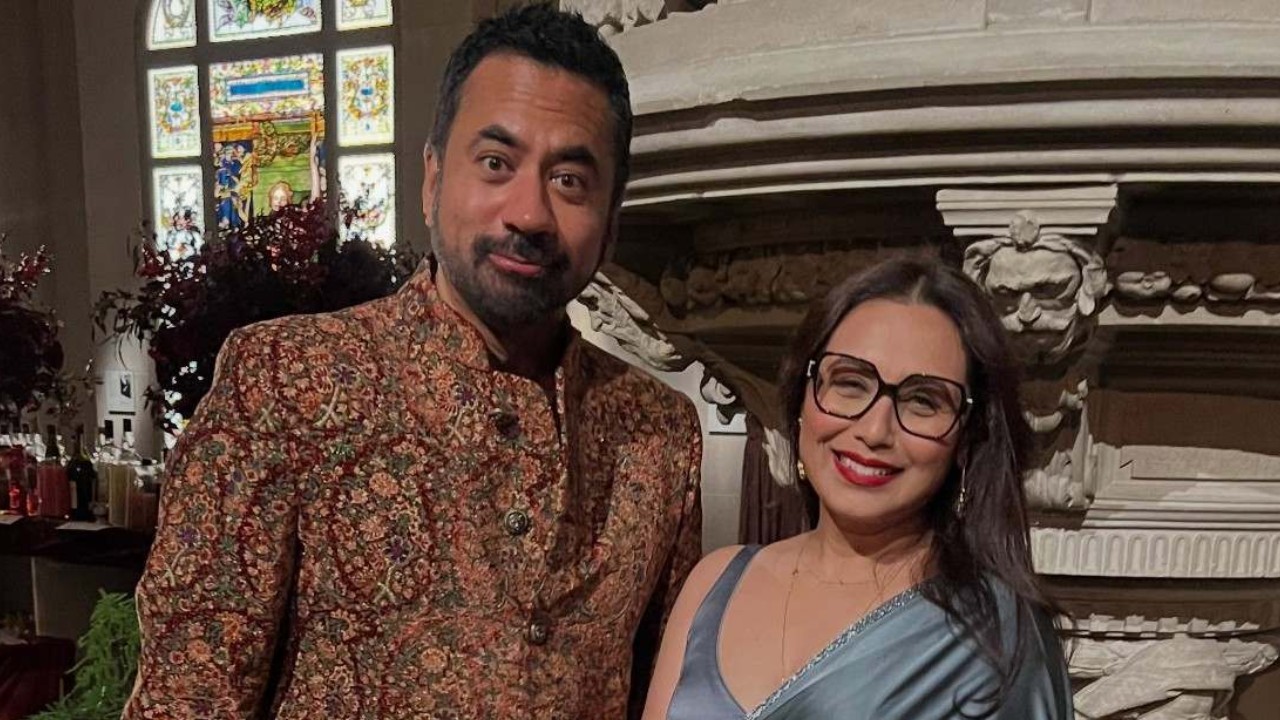
The guest list read like a meeting of fashion, film and business, but two looks defined the evening. Rani Mukerji, a longtime friend of the designer, arrived in a metallic grey satin saree that proved festive dressing does not need heavy embroidery to make an impact. The lustrous drape caught the light as she moved, its cool grey sheen offering a calm, modern alternative to the bright colours usually associated with Diwali. She paired it with a matching sleeveless blouse with a V-shaped neckline, wore her hair open, and finished the look with bold red lips, a gold handbag and polished jewellery — understated, confident and quietly glamorous.
Masaba Gupta took the opposite route to the same destination: tradition, reimagined. The designer reinterpreted Bengal’s iconic white-and-red laal paar saree as a contemporary red-carpet ensemble, pairing a structured white strapless corset with a flowing satin-organza drape edged in a bold maroon-crimson border. Appliquéd paan motifs, delicate rhinestone embroidery and a tassel detail at the back kept the look rooted in Bengali heritage, while a deep maroon velvet hooded cape added drama for portraits on the Met’s rooftop terrace. A statement necklace and a maroon Sabyasachi handbag completed a look that was at once deeply cultural and unmistakably modern.
Sabyasachi himself set the tone for the night in a sharply tailored black bandhgala with white trousers — finished, characteristically, with a flash of bright pink socks. Actor Kal Penn and entrepreneur Anjula Acharia were among the other guests, and many in attendance wore the designer’s own creations, from embellished long jackets to lehengas and sarees.
The setting did as much talking as the clothes. Under warm, lamp-like lighting, the museum’s galleries were dressed with dramatic floral installations, cascading pomegranates, an elaborate grazing table and a peacock display — Diwali as Sabyasachi has always imagined it: light, food, ornament and generous hospitality, staged on an international scale. The evening follows his return to New York Fashion Week and the expansion of his New York flagship, and it reads as a deliberate statement about where Indian couture now belongs: not just at home for the festive season, but on the global luxury calendar.
Back in Mumbai, the festive fashion circuit kept pace. Italian house Valentino hosted its own Diwali celebration on October 23, drawing Khushi Kapoor in a monochrome look pairing a black cropped bolero top with a high-waisted ivory column skirt, Diana Penty in a flowing ivory draped gown with a cape, Aditya Roy Kapur in a classic navy double-breasted suit, and Fatima Sana Shaikh in a black faux-leather wrap blazer dress layered over a sheer floor-length skirt. A night later, at IBTIDA Ek Mehfil’s Diwali party on October 24, Shilpa Shetty chose an ivory lace saree with a corset-style blouse detailed with pearl, bead and crystal embellishment, while Huma Qureshi arrived in a rust-orange and gold anarkali rich with zari embroidery, gota patti and mirror work.
Taken together, the week told a single story about festive dressing in 2026: the classics are still here — the saree, the anarkali, the laal paar — but they are being worn looser, lighter and more personally than ever, whether on a Mumbai dance floor or inside The Met.